A campaign across field sales and call centers.
Amit identifies this collection as material from a YAK door-to-door campaign and call-center campaigns in India and Ghana. He reports that the centers handled outbound sales, order verification and customer support. The campaign ran for four years, circa 2009.
The operating challenge was to connect what an agent sold with what the customer understood, what the verification team recorded and what the order-processing team needed to complete the transaction. The retained documents describe those handoffs in detail.
Training people to explain the products.
The retail presentations and internet-training decks cover home phone, internet, long-distance and bundled services. They give agents product context, service requirements and the steps for submitting orders.
The collection includes different editions rather than one final master. It documents the training and sales tools used around the campaign; historical product details, availability, fees and prices should be read in their original context.
The handoff from sign-up to verified order.
The door-to-door process describes an agent completing the customer’s sign-up information, obtaining the customer’s signature and contacting the verification center while remaining at the customer’s location. The verification representative then calls the customer, confirms the order details and provides the customer number needed to complete the sales record.
Separate scripts cover the sales-agent-to-verifier conversation and the verifier-to-customer conversation. The customer script includes confirmation of the selected service and price, customer authorization and notice that the verification call is recorded. Retail and kiosk materials describe a related submission route through the verification team.
The files show a structured process for recording and checking an order. They do not by themselves establish how every individual sale or call was handled.
Outbound sales and the later campaign scope.
Amit confirms that the India and Ghana centers also carried out outbound sales and customer support. He says permission for the wider scope was obtained later.
The supplied files reflect different stages of the campaign. The centers’ locations, expanded role and later permission are described by Amit; the collection is retained with that chronology in the private evidence record.
Managing the work behind the sale.
The vendor-responsibility document describes recruiting, training and coaching representatives, keeping materials current, submitting daily sales information, following defined territories and handling customer complaints. Sales templates connect order attribution with selected products and order-confirmation records.
Together, these materials show the operating structure around the campaign: agent preparation, clear handoffs, order records, reporting and follow-up. The commission and payment workbooks are retained privately as part of the historical collection, rather than published as current commercial terms.
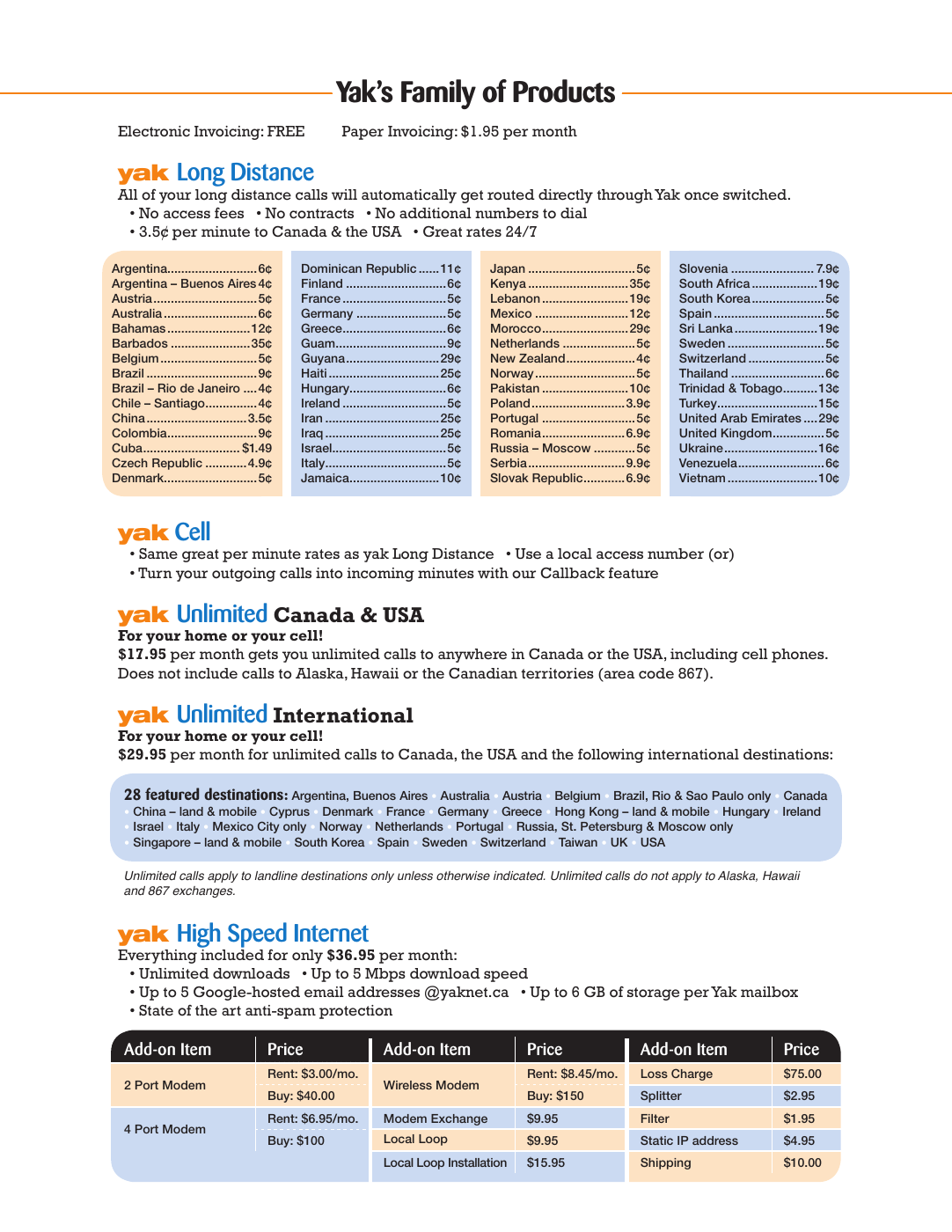
A snapshot of the products being sold.
Experience relevant to a new campaign.
This history brings together direct selling, training, call-center coordination and order verification. Those are useful starting points for a conversation about a new sales or customer-contact operation, with its own scope and requirements.
What supports this account
The private source collection includes door-to-door scripts, verification procedures, vendor responsibilities, five presentation files, a product reference and sales/commission workbooks. The campaign role, India/Ghana locations and later permission were supplied by Amit Kapoor. No campaign sales total, conversion rate, customer count or independently measured outcome has been supplied. The source materials do not establish current YAK authorization or endorsement. Customer-data templates, payment/commission details, full scripts and vendor terms are not offered as public downloads.